Polyethylene (PE) Balls
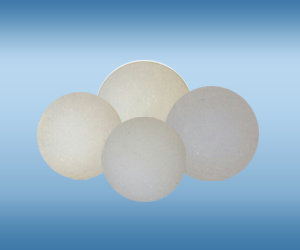
Polyethylene balls are a low-cost thermoplastic alternative providing excellent abrasion resistance and high impact characteristics. Used in pharmaceutical, medical and electronic applications, and where it is desirable to minimize evaporation of exposed liquids or maintain liquid temperature. Smooth surface prevents chemicals from depositing.
Chemistry
Low-cost thermoplastic
Smooth non-porous surface
Excellent abrasion resistance
Characteristics
Low cost. Excellent abrasion resistance. High impact. Smooth surface prevents chemical deposits. Minimizes liquid evaporation. Maintains liquid temperature. Reduces odors.
Corrosion Resistance
Good chemical resistance. Smooth surface prevents chemical deposits.
Typical Hardness
Rockwell R85-100
Ball Sizes
Available in sizes 1/16″ to 2.0″.
Available in grades 0 through IV (inch and metric). Finishes: matte, rough, polished.
Industries Usnig Polyethylene (PE) Balls
Pharmaceutical (liquid evaporation control, temperature maintenance), Medical (identification components, non-reactive surfaces), Electronics (non-conductive applications), Consumer Goods (odor reduction, low-cost applications)
All standard sizes available for immediate delivery
-
Medical and Pharmaceutical
Valve applications, flow control, pharmaceutical processing, blood-contact identification components
-
Electronics
Electrical insulation, low dielectric constant applications, precision assemblies
-
Consumer Goods
Ball floats, consumer product components, color-coded applications, identification uses
-
Industrial and Manufacturing
Low-load bearings, liquid evaporation control, odor reduction, abrasion-resistant components
Lead Times
-

Standard in-stock components are available for immediate shipment. Lead times for non-stock and custom orders are determined based on specific part size, material, and required quantity.
-

Hartford Technologies specializes in high-volume production runs and industrial applications. We have a $400 minimum order value for all standard in-stock bearing balls. For custom-engineered parts and assemblies, the minimum is determined by the complexity and volume of the specific requirement.